Cultural Diversity: Shaping Immigrant Housing Choices in Australia
Australia’s vibrant tapestry of cultures isn’t just about festivals and food—it profoundly influences where newcomers choose to live, the homes they seek, and the neighbourhoods they build.
Residz Team 4 min read
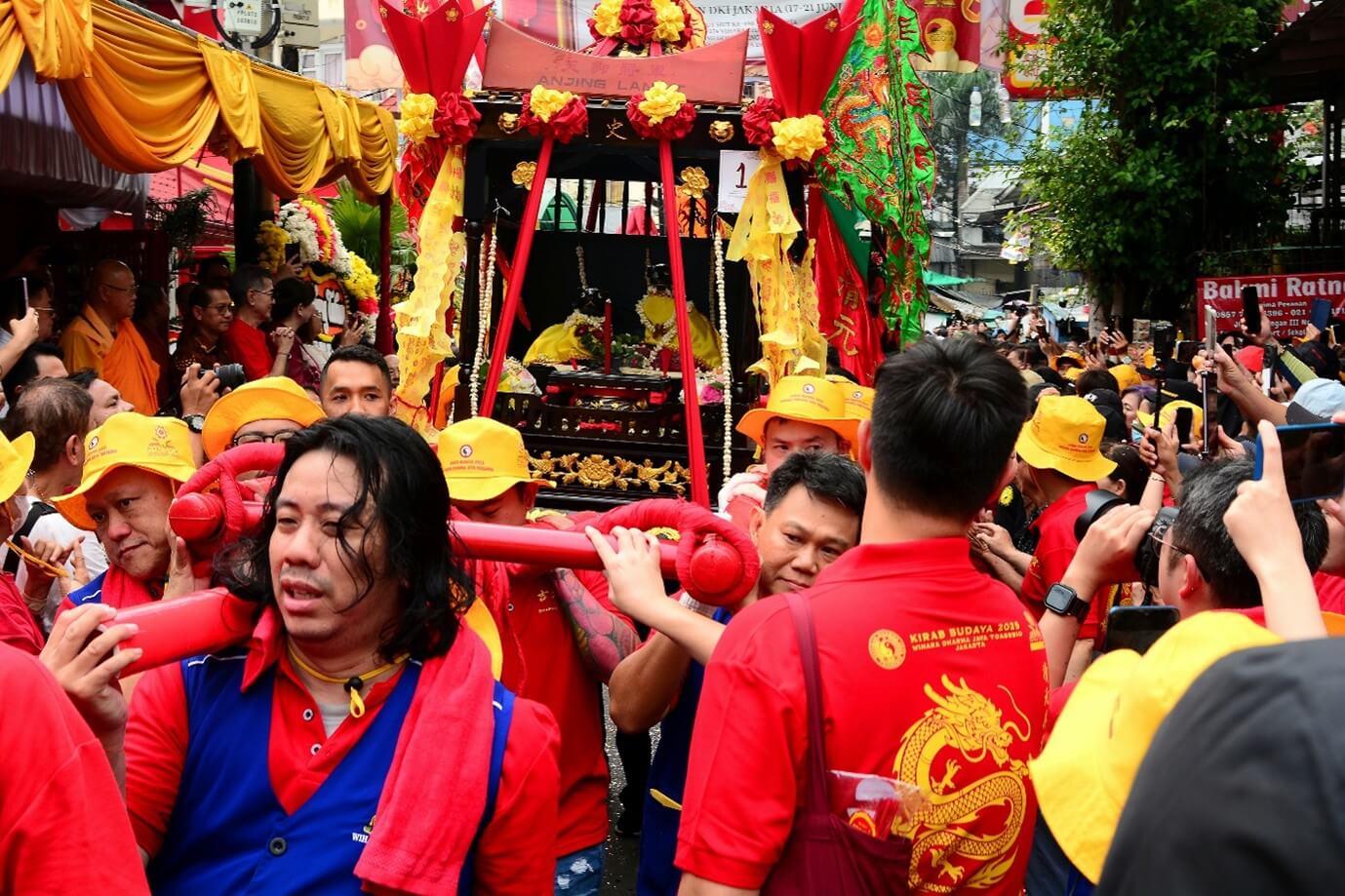
Australia’s vibrant tapestry of cultures isn’t just about festivals and food—it profoundly influences where newcomers choose to live, the homes they seek, and the neighbourhoods they build. From climate comfort to family traditions, #culturaldiversity drives #housingpreferences, creating #ethnicenclaves that add colour, cuisine and community to the traditional #AngloAustralian landscape. #Australia #migration #realestate #urbanplanning
In this exploration, we dive into how origins shape destinations, backed by patterns in census data, property trends and demographic studies. Whether you’re a #realtor, #urbanplanner or policymaker, understanding these dynamics unlocks smarter strategies for #housingdemand, #suburbgrowth and inclusive development. #multiculturalism
Climate Comfort: Finding Familiar Weather
Immigrants often gravitate to climates echoing their homelands, blending personal comfort with practical lifestyle needs. #climate #lifestyle
Nordic and northern European arrivals, accustomed to crisp air and moderate summers, frequently choose elevated or southern regions like the #BlueMountains near Sydney or Tasmania’s cooler plateaus. These spots offer respite from Australia’s intense heat, with bushwalks and forests mirroring Scandinavian trails—census figures show higher concentrations of UK, German and Scandinavian-born residents in such temperate zones.
By contrast, migrants from #India, #SriLanka and Southeast Asia thrive in the perpetual warmth of #FarNorthQueensland, #Darwin or Perth’s northern suburbs. Far North Queensland, for instance, boasts a strong South Asian presence, where tropical averages of 28–32°C feel like home, supporting year-round outdoor living and familiar monsoon rhythms. #tropicalclimate #heat
Mediterranean migrants from #Italy, #Greece, #Lebanon or #Turkey prioritise coastal access, settling in beachside enclaves around the #GoldCoast, #Perth or Sydney’s northern beaches. Proximity to the #ocean enables promenades, seafood feasts and sea breezes, with property data revealing elevated Mediterranean ancestry in these sun-soaked, wave-kissed suburbs. #coastalliving #Mediterraneanlifestyle
These choices aren’t whims—they reflect “felt comfort,” where weather influences mental wellbeing and daily routines, as seen in ABS data linking birthplace to regional settlement patterns. #regionalAustralia
Dwelling Styles: From Apartments to Acreage
Cultural norms dictate “ideal” homes, from dense urban flats to sprawling backyards. #housingtypes #culture
Asia-born migrants, especially from #China, #India, #Korea and #Nepal, dominate Australia’s #apartment boom—over 50% of high-rise residents are overseas-born, with Asian groups leading in inner-city towers. High-density living feels natural after megacity experiences, prioritising walkability, public transport and vibrant street life near universities and jobs in #Sydney, #Melbourne and #Brisbane. #density #urbannorms
European and Middle Eastern families, however, chase the #AustralianDream of detached houses with yards. Post-war #Italians and #Greeks pioneered “brick veneer with vines” in Melbourne’s #Brunswick or Sydney’s #Leichhardt, while newer waves seek four-bedroom homes on the urban fringe for multi-generational living. Property analyses confirm overseas-born homeowners often favour larger lots for privacy and play space. #suburbanliving #backyard
Even within enclaves, adaptations emerge: South Asian families in western Sydney opt for double-storey homes with rumpus rooms for festivals, while Latin American groups blend into Queensland’s acreage for livestock and gardens. #extendedfamily #homeownership
Land for Legacy: Gardens, Grapes and Gatherings
Housing doubles as cultural hub for food, faith and family, demanding space for traditions. #foodculture #extendedfamily
#Mediterranean migrants crave land for olives, grapes, figs and veggies—think Italian nonnas in Adelaide Hills orchards or Lebanese clans in Sydney’s southwest with terraced gardens. These plots sustain home cooking, barbecues and community swaps, with suburb profiles showing higher block sizes in such areas.
South and Southeast Asian households prioritise bigger homes for 5–7 person setups, including in-law suites and prayer nooks. Outer-suburban estates in #WesternSydney and #Melbourne’s northwest host these #multigenerational setups, where census stats reveal average household sizes 20–30% above the national norm.
Even apartment dwellers improvise: rooftop gardens in #Chinatown high-rises grow bok choy, while African communities in Brisbane’s south maintain communal plots. These practices boost local #foodscenes and property values, as diverse retail strips draw buyers. #homegarden #communityhubs
Enclaves: Strength in Similarity
The pull of “people like us” forges #ethnicenclaves, blending support networks with economic vibrancy. #diaspora #ethnicenclaves
Chain migration clusters communities: #Chinese hubs in #Chatswood (Sydney) or #BoxHill (Melbourne) expanded via family referrals, now featuring 40–60% Asian ancestry. #Indian strongholds in Harris Park or Parramatta offer spice markets, Bollywood cinemas and cricket pitches, with 2021 Census data showing 25–35% Indian-born in these pockets.
#Vietnamese in Richmond (Melbourne) or Cabramatta (Sydney) form self-sustaining ecosystems with pho strips and pagodas, while #Filipino clusters in Queensland’s Logan embrace coastal warmth. These suburbs, once Anglo-dominated, now pulse with #diversity—think Diwali lights in Blacktown or Lunar New Year in Hurstville—elevating Australia’s cultural mosaic. #LittleIndia #Chinatown
Enclaves aid adaptation: shared languages ease rentals, groceries stock homeland staples, and schools reflect family values. Yet they spur #housingdemand—rents in high-diversity postcodes rose 15–25% faster in recent years, per CoreLogic trends. #propertyprices #rentals
Challenges and Evolution: Beyond Barriers
Preferences meet realities like affordability and bias, shaping resilient patterns. #inequality #discrimination
New arrivals face #rentaldiscrimination—non-English speakers or large families report rejection rates 2–3x higher—forcing clusters in accepting enclaves. #Housingstress hits hard, with 20–30% of recent migrants in overcrowded dwellings per ABS figures. #overcrowding
Yet upward mobility shines: migrants’ home ownership nears or exceeds Australian-born rates (65–70%), fuelling fringe expansion. Over generations, hybrids emerge—#Italians in high-rises, #Indians in tree-change towns—merging origins with Aussie norms. #acculturation #upwardmobility
The Bigger Picture for Planners and Investors
#Culturaldiversity isn’t a side note; it’s reshaping Australia’s suburbs, from tropical Indian havens to coastal Greek retreats. Developers targeting #ethnicmarkets can prioritise backyards in growth corridors or amenities in density zones, while planners foster inclusive zoning to balance enclaves with integration. #smartgrowth
Investors: scout rising #multiculturalpostcodes for value—diversity drives 10–20% premium rents via demand and vibrancy. Cities thrive when homes honour heritages, turning neighbourhoods into global villages.
What’s your take? Spot an emerging enclave or untapped migrant niche? Share in the comments—let’s map Australia’s next chapter. #realestateinvesting #futureproofing #AustraliaMulticultural
#migration #housing #diversity #enclaves #climatepreferences #ethnicdiversity #propertytrends