Living Large vs. Living Local: Why the Decision Isn’t as Simple as It Looks
I recently had a long conversation with a senior manager who’s wrestling with a choice many people are quietly contemplating: whether to stay in a major city or shift to a more regional lifestyle.
Residz Team 2 min read
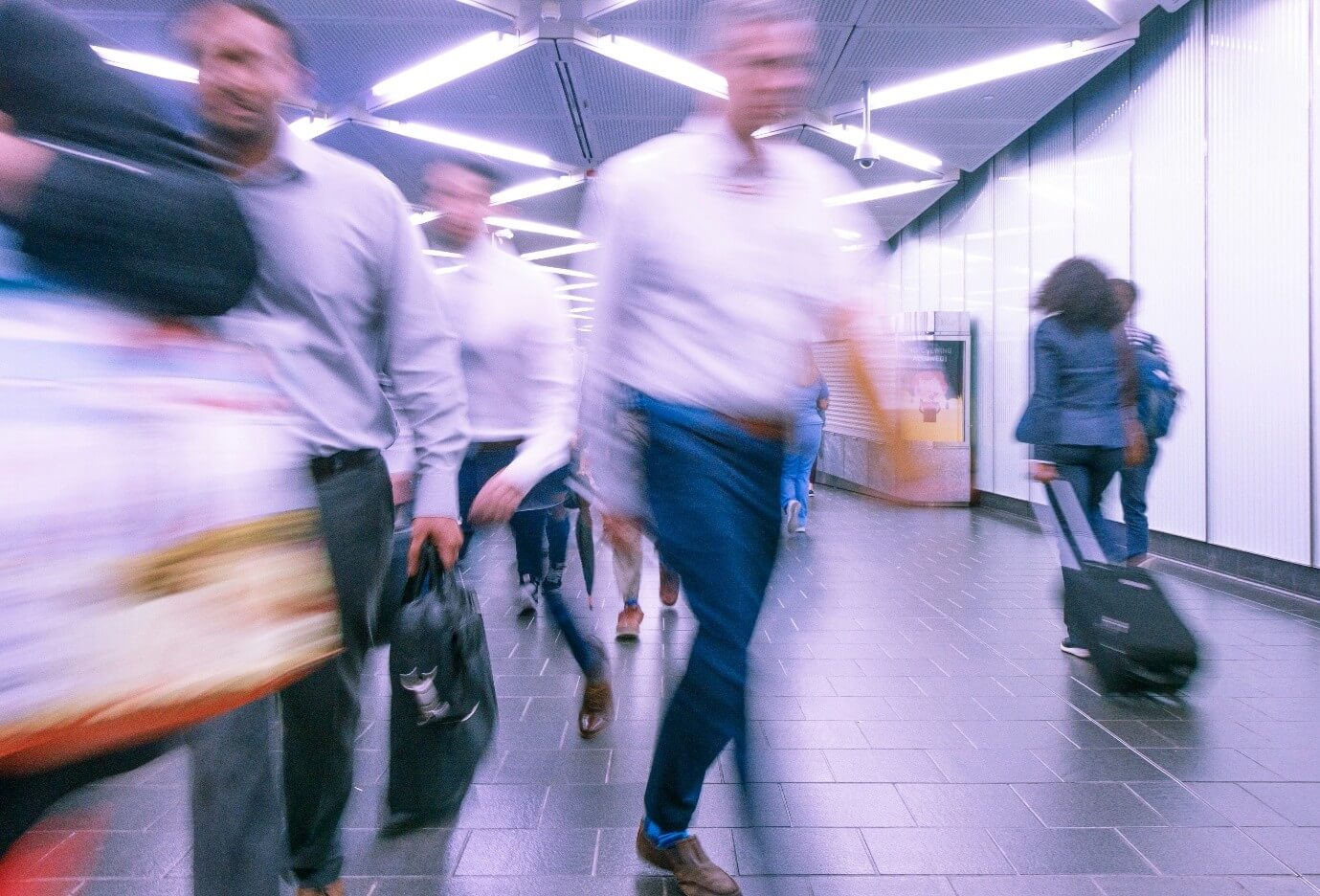
I recently had a long conversation with a senior manager who’s wrestling with a choice many people are quietly contemplating: whether to stay in a major city or shift to a more regional lifestyle. On the surface, it sounds straightforward — city equals convenience, regional equals calm — but the real decision sits in a far more nuanced space.
Big cities undeniably offer reach. Almost everything you need is within twenty minutes of your front door: hospitals, specialists, cafés, trades, entertainment, fitness options, and every flavour of service. You can get gourmet dumplings at 10pm, dial a plumber in an emergency, or book a GP appointment with plenty of alternatives if your regular doctor is full.
But the irony many people feel is that the convenience is increasingly theoretical. When hospitals are overcrowded, trades are booked out for weeks, parking is painful, and even grabbing a coffee involves a queue, the practical value of being close to services starts to erode. Add rising costs and the sense of always being in a hurry, and many find themselves worn down by the very lifestyle they once sought out.
That’s when the idea of moving somewhere more regional starts to take shape. Not remote, just somewhere with breathing room — a place where traffic isn’t a daily battle, the noise drops away, and life slows to a more human pace. These towns often have a growing café culture, friendly communities, and the sort of space that makes weekends feel like weekends again.
Yet the gaps become obvious too. Access to top-tier medical care may be limited. A specialist appointment might require a trip back to the city. Airport access becomes a real factor if you travel often. There may be only a handful of reliable tradespeople, and they tend to operate on more relaxed timelines — often still charging big-city prices. Entertainment is available, but the variety is narrower. Even grocery shopping feels different when the nearest alternatives are thirty minutes apart rather than three.
For many, the sweet spot appears to be the larger regional “city” — the places that are no longer country towns but not quite metropolitan either. These centres usually have proper hospitals, a solid café strip, decent shopping, reliable trades, and their own business ecosystems. Most importantly, many now have strong transport links back to the capitals, including regional airports with direct flights to major cities and even some international hubs. The lifestyle uplift can be significant without completely stepping away from opportunity or connectivity.
But moving isn’t just a logistics decision. Family sits at the centre of it. Children changing schools can be a heavy consideration, especially if they’re at important transition points. Ageing parents may need you close by. University-age children might have to relocate to the city anyway, creating new layers of cost and complexity. And for dual-career households, finding two roles that support the lifestyle shift can be difficult unless remote work is genuinely viable.
It’s also worth acknowledging that identity plays a role. Some people thrive on the energy of a city — the anonymity, the grind, the diversity of people and activity. Others find their best selves in places where you recognise faces at the supermarket and where the day isn’t completely consumed by movement and noise.
In the end, this isn’t a right-or-wrong decision. It’s a trade-off between convenience, pace, cost, lifestyle, and personal stage of life. The modern world offers countless options, but each comes with its own compromises. The real question is which combination of compromises serves you best — not just now, but for the next decade.
#citylife #regionalliving #remotework #lifestylechoice #familyconsiderations #qualityoflife #australia #worklifebalance #regionalcities #relocation #modernliving