Smart Homes and Resale Value: Feature, Fad, or Future?
The idea of the #SmartHome has been around long enough now to move beyond novelty. Voice-activated lighting, automated climate control, integrated security, and real-time #EnergyManagement all promise a more convenient, efficient lifestyle.
Residz Team 2 min read
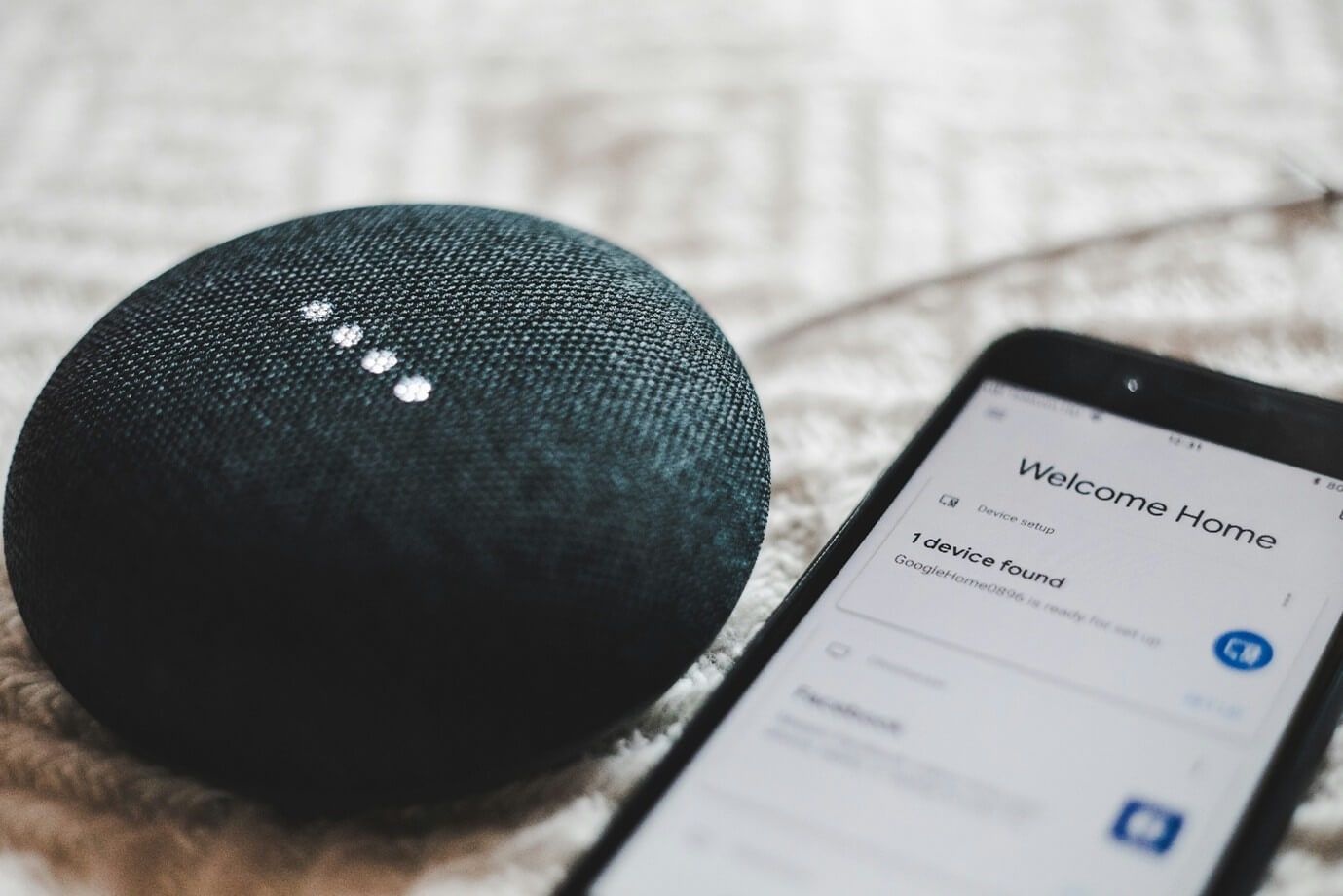
The idea of the #SmartHome has been around long enough now to move beyond novelty. Voice-activated lighting, automated climate control, integrated security, and real-time #EnergyManagement all promise a more convenient, efficient lifestyle. On paper, it sounds like a clear value-add. But the real question for homeowners and investors is simple—does it actually translate into higher #ResaleValue?
The answer is: sometimes, but not always.
Let’s start with the upside.
At a functional level, smart technology delivers genuine benefits. Being able to control lighting, air conditioning, and appliances via voice or phone isn’t just impressive—it can reduce energy consumption and improve day-to-day convenience. Systems linked to platforms like voice assistants can play music, answer questions, manage calendars, and even provide reminders for daily routines. For time-poor professionals or tech-savvy buyers, this aligns well with a #ConvenienceDriven lifestyle.
There’s also a growing awareness around #EnergyEfficiency. Smart thermostats, automated lighting, and usage tracking can reduce power bills—an increasingly important consideration as energy costs rise. In newer builds or well-integrated homes, this can enhance buyer appeal.
Security is another driver. Smart locks, cameras, and remote monitoring systems tap into a strong demand for #HomeSecurity, particularly in urban environments or for frequent travellers.
So far, so good.
But here’s where reality tempers expectation.
Smart home features rarely deliver a direct dollar-for-dollar return. In most cases, they sit in the category of “nice to have” rather than “must have.” Buyers may prefer a property with these features, but they’re not always prepared to pay a significant premium for them. In other words, it can help sell a home faster, but not necessarily for more.
There are a few reasons for this.
First, #TechnologyObsolescence. What feels cutting-edge today can look dated in just a few years. Buyers are wary of inheriting systems that may be incompatible, unsupported, or expensive to upgrade.
Second, #Complexity. Not every buyer wants to manage apps, integrations, and voice commands. For some—particularly downsizers or less tech-oriented purchasers—simplicity is more attractive than sophistication.
Third, a subtle but growing counter-trend.
There’s increasing interest in a more #LifestyleFocused, less tech-dependent way of living. Call it a reaction to digital overload. Buyers are placing higher value on natural light, outdoor space, walkability, and community connection. The appeal of a “simpler” home—low maintenance, intuitive, and not overly automated—is real.
This doesn’t mean smart homes are on the way out. Far from it. But the emphasis is shifting.
The properties that perform best are those where technology is #SeamlesslyIntegrated rather than dominant. Think smart lighting that works like normal switches, climate systems that can be automated but also manually controlled, and security features that are intuitive rather than intrusive.
In short, invisible tech wins.
From an investment perspective, the takeaway is clear.
If you’re adding smart features purely to increase #PropertyValue, be cautious. Focus first on fundamentals—location, layout, quality finishes. Then layer in smart technology where it enhances usability, not where it complicates it.
If you’re an owner-occupier, it’s a different equation. The value is in the lifestyle benefit you enjoy every day, not just the eventual sale price.
So, is the smart home a feature, a fad, or the future?
It’s all three.
It’s a feature that can differentiate your property, a fad in certain over-engineered forms, and undoubtedly part of the future—just in a more refined, user-friendly way than we’re seeing today.
The winners in the next phase of the market won’t be the smartest homes.
They’ll be the most liveable ones.
#RealEstate #PropertyInvestment #HomeAutomation #SmartLiving #EnergySavings #HomeTechnology #BuyerBehaviour #HousingTrends #FutureLiving #AustralianProperty