Why Buyers Overvalue “New” — And Whether It Solves Australia’s Housing Challenge
There’s a persistent bias in property markets toward anything “brand new.” Fresh paint, modern finishes, untouched appliances—it all signals simplicity and ease.
Residz Team 2 min read
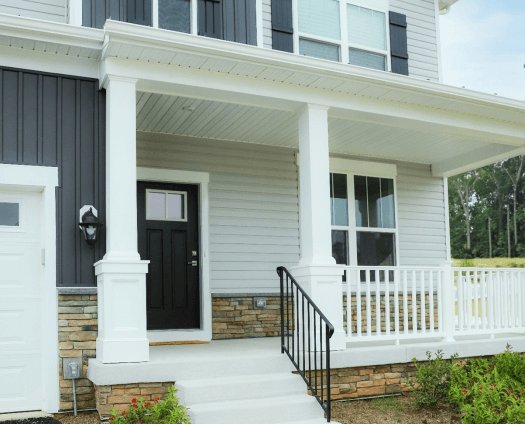
There’s a persistent bias in property markets toward anything “brand new.” Fresh paint, modern finishes, untouched appliances—it all signals simplicity and ease. But step back, and the question becomes more commercial: are buyers overpaying for #NewBuilds, and does building more of them actually solve the #HousingCrisis in Australia?
Let’s start with buyer behaviour.
“New” appeals because it removes uncertainty. There’s no immediate maintenance, no outdated kitchens, no hidden repair costs. For many, particularly time-poor buyers, that’s compelling. It aligns with a #ConvenienceDriven mindset—move in, do nothing, and get on with life.
There’s also a psychological factor. Buyers tend to anchor value to presentation. A well-styled new home feels worth more than an older property, even if the underlying fundamentals—land size, location, structural quality—are equal or better. This is classic #BuyerPsychology at play.
Then there’s the influence of marketing. Developers sell a lifestyle, not just a dwelling. Display homes, glossy brochures, and turnkey packages create an emotional pull that older homes rarely compete with. It’s #PerceptionVsReality in action.
But here’s the commercial reality.
New homes are typically more expensive on a like-for-like basis. High #ConstructionCosts, labour shortages, and compliance requirements all push up pricing. Add developer margins, and you often end up paying a premium for the “newness” itself.
Older properties, by contrast, can offer better value—particularly in established areas with stronger infrastructure, larger land components, and proven demand. They may require some updating, but that also creates opportunity for #ValueAdd through renovation.
So does building more new homes fix the housing shortage?
Partially—but not entirely.
Increasing supply is clearly part of the equation. More #HousingSupply should, in theory, ease pressure on prices. But the type and location of that supply matters. Many new developments are in outer corridors where land is cheaper, but where infrastructure, employment access, and lifestyle amenity lag behind.
For many buyers, particularly first-home buyers, that’s a trade-off they’re reluctant to make.
Which brings us to #FirstHomeBuyers.
Governments consistently push incentives toward new builds—grants, stamp duty concessions, and schemes tied to purchasing or constructing new property. The logic is straightforward: stimulate construction, boost supply, and support entry into the market.
In practice, it’s more complex.
Even with incentives, many new homes remain financially out of reach. Higher purchase prices mean larger loans, and in a higher interest rate environment, serviceability becomes the real barrier. A $20,000 grant doesn’t offset a $100,000 price difference.
There’s also risk. Buying off-the-plan or building introduces timing delays, cost overruns, and uncertainty—factors that first-time buyers are often least equipped to manage.
So why the policy focus?
Because new construction feeds directly into economic activity—jobs, materials, and GDP growth. Supporting #NewHousing is as much an economic strategy as it is a housing one.
But from an individual buyer’s perspective, the better question is: what represents value?
And the answer isn’t always “new.”
For many, a well-located older property—something structurally sound with scope to improve—can be a smarter entry point. It may lack initial polish, but it often provides better long-term upside and more flexibility.
The bottom line?
“New” sells because it’s easy to understand and easy to market. But ease comes at a price.
Solving Australia’s housing challenges will require more than just building new homes. It will require smarter choices—by policymakers, developers, and buyers alike—around what we build, where we build it, and what truly represents value.
Because in property, as in most things, what looks best on day one isn’t always what performs best over time.
#PropertyMarket #RealEstateAustralia #HousingAffordability #NewVsOld #PropertyStrategy #FirstHomeBuyer #InvestmentProperty #ConstructionCosts #BuyerBehaviour #GovernmentIncentives #UrbanPlanning #SupplyAndDemand